The first thing I will tell you about Berkley Trilene XL is that I have spooled more of it than I can count, and the second thing is that I almost did not write this review. The product page says what it says: 6-pound test, 330 yards, 0.22 millimeters, all true. What the page cannot tell you is how the line behaves after a month on a reel in a hot tackle box, because that depends on how you fish, where you fish, and how long you leave it alone. That is the part I can tell you, and that is the part most reviews skip.
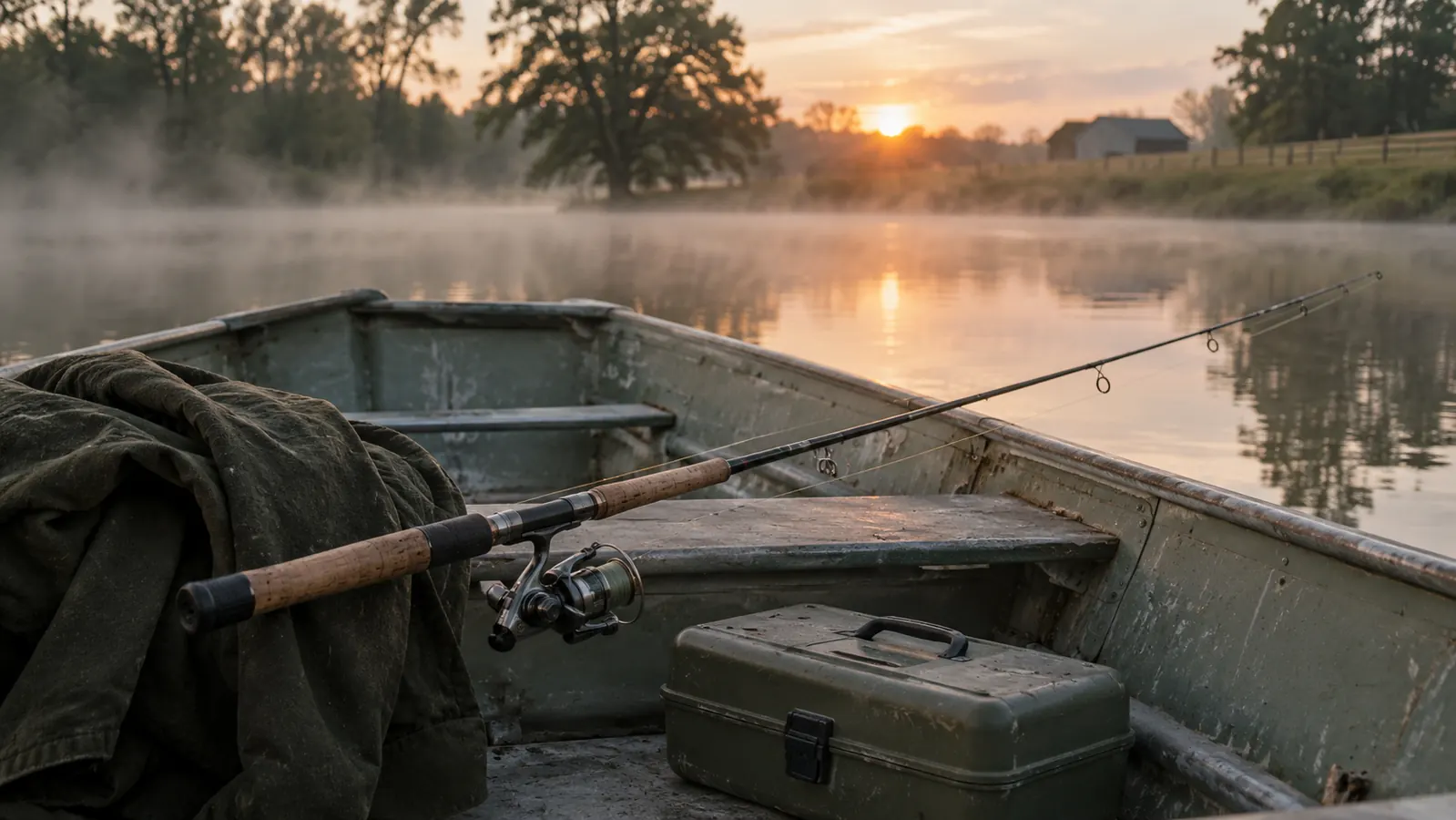
I fish Caesar Creek Lake and the Great Miami River out of a 14-foot aluminum jon boat with a small trolling motor, and I fish farm ponds from the bank when the mood hits. My grandson Caleb, who is 13, has been handing me empty spools of Berkley Trilene XL for the better part of his fishing life. I have used this line on spinning reels for bluegill, crappie, channel catfish, and largemouth bass for about 15 years now. This is the honest version of that long run, and it is not the version the product page would write.
Most reviews of fishing line are written after one afternoon on the water, and they all sound the same. The line casts great, the line is strong, buy the line. I am not going to do that. I am going to tell you where this line is genuinely good, where it will let you down, and how to fish it so the weaknesses never cost you a fish.
The Quick Verdict
A dependable all-round mono that casts well and ties tight knots, as long as you replace it before it gets too old.
Amazon Check Today's Price →The 6-Pound Spool I Keep Coming Back To
If you fish light line for panfish and bass, Berkley Trilene XL in 6-pound test is the spool I reach for first. It casts, it holds knots, and it is inexpensive enough to replace twice a season without wincing.
Amazon Check Today's Price on Amazon →How I've Used It
I have run Trilene XL on three spinning reels this season. One is rigged for crappie at Caesar Creek, one is the bluegill rod I keep in the jon boat for Caleb, and one is set up for channel catfish on the Great Miami. The crappie reel gets the most use. It is a light action rod, and the 6-pound test balances it about as well as anything I have tried in 45 years of fishing.
Most of my fishing is casting small jigs and spinners and working them back slow. I am not flipping heavy cover or dragging big crankbaits. For what I do, 6-pound test is enough line to land a two-pound largemouth and light enough that a bluegill does not feel like he is dragging a rope. That middle ground is the whole argument for this line.
I keep a spiral notebook in the boat. I write down what I spooled and when, and I date the spool when it goes on the reel. That habit came from losing a good fish on a line I had left on too long, and it is the first thing I would tell anybody who buys Trilene XL. The line is not the problem. Old line is the problem.
I also keep a spool of Trilene XL in 4-pound test for ultralight bluegill fishing, because the same brand makes the whole range from 2-pound to 30-pound test. But the 6-pound is the one on the rod that gets picked up first. When I reach into the boat for a rod, I am reaching for the one with 6-pound on it. That is the simplest recommendation I can make.
What the Spec Sheet Does and Doesn't Tell You
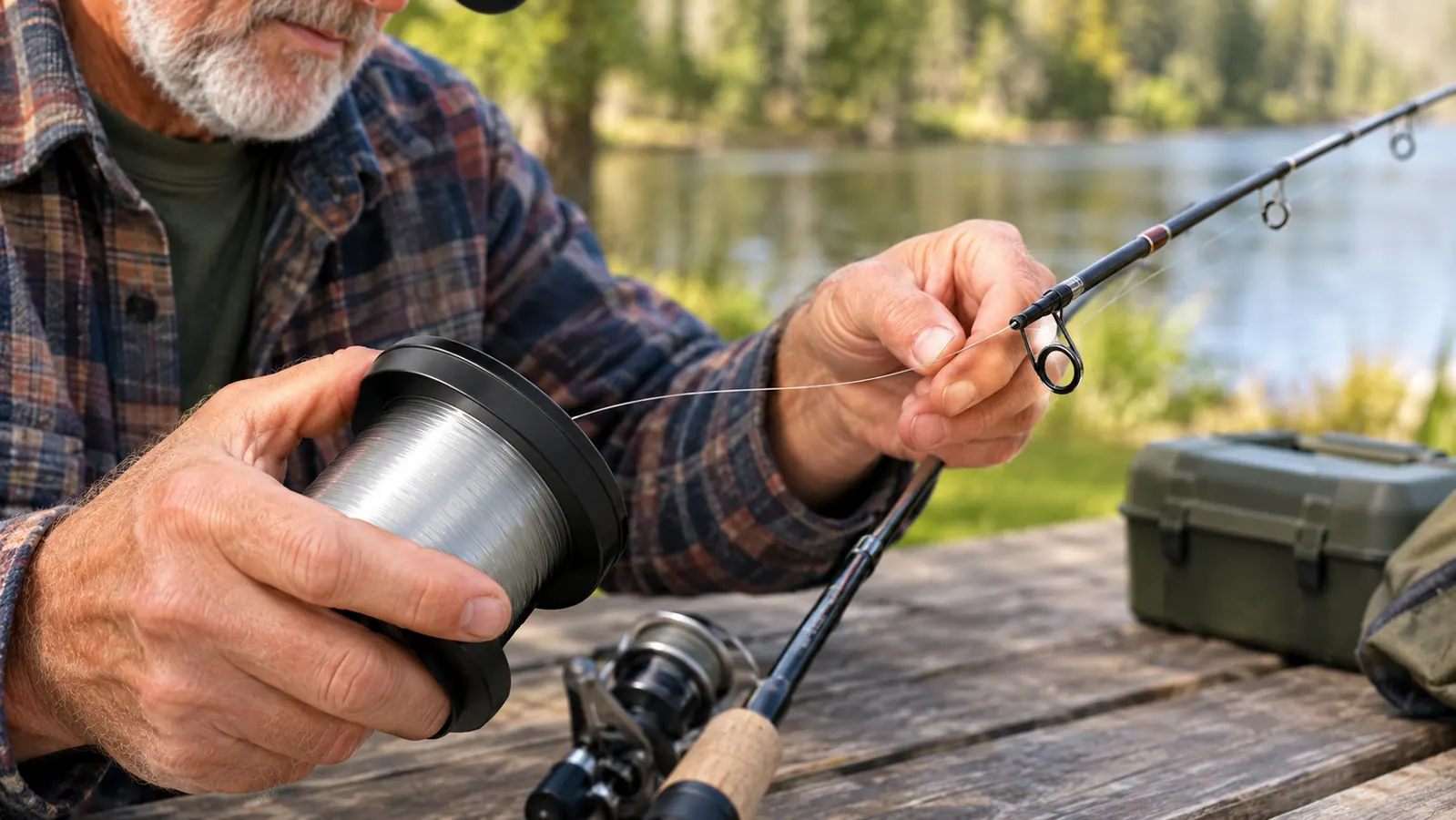
The specs say 6-pound breaking strength, 0.22 millimeter diameter, 330 yards on the spool, single strand, blend material. The listing also says the line keeps its durability when wet, and that claim has matched my experience. Trilene XL does not turn to mush after a day in the water the way some cheap monofilament does, and it does not stretch out of shape on a long cast.
What the spec sheet does not tell you is that a blend is a compromise. You get some of the stiffness of a harder line and some of the forgiveness of a softer one. That makes Trilene XL a good all-rounder and a poor specialist. If you want the lowest stretch line money can buy for vertical jigging, you buy something else. If you want the softest line for finesse work, you buy something else. If you want one line that does almost everything well, this is it.
The diameter number matters more than most people think. At 0.22 millimeters, 6-pound Trilene XL is thin enough to cast a small jig a long way and thick enough that you can tie knots with cold fingers. It is also thin enough that you should check your line for nicks after fishing around rocks. That is true of any monofilament, but it is worth saying plainly.
One more thing the spec sheet gets right: the 330-yard spool is the right size for a spinning reel. Some lines come in shorter spools, and you will use the whole thing filling one reel. With 330 yards you can fill the reel, keep a spare rod ready, and still have line left for the next time you need to strip off the top 30 yards.
The Stretch Question Nobody Wants to Talk About
Monofilament stretches. Trilene XL stretches more than braid and a little more than some fluorocarbons. On the hookset, that means you have to reel down before you swing. I have watched Caleb set the hook like he was using braid, the line stretch, the hook barely move, and the fish shake free. It is a hard lesson, and it is the one nobody puts on the box.
But stretch is also the reason this line is forgiving. When a channel catfish makes a hard run, the stretch absorbs the headshake. When a bass jumps, the stretch keeps the hook from tearing out. I have landed fish on Trilene XL that I would have lost on a no-stretch line, because the line gave instead of breaking. The stretch giveth and the stretch taketh away.
The honest advice is to fish with the stretch, not against it. Keep your drag a little looser than you think you need. Reel down on the hookset and let the rod do the work. That is the way this line was meant to be fished, and it is the way I have fished it for 15 years.
The other side of the stretch question is hooksets at distance. If you fish a bobber 40 feet out, the stretch in the line means you have to wind down before you set. That is a hard habit to teach a 13-year-old, and I know because I am still teaching it. Give the reel two cranks before you lift the rod and you will hook more fish.
What Nobody Tells You About Line Memory
Here is the part the reviews leave out: Trilene XL has memory. Leave a spooled reel in a hot tackle box for a month, and the line comes off the reel in coils. It will still cast, but the coils cost you distance, and on a spinning reel they can turn into wind knots that ruin a good morning.
The fix is simple. Before a trip, strip off the first 20 or 30 yards and retie. I do this on every reel I own, and it solves most of the casting problems people blame on the line. The other fix is to replace the line before it gets old. Six-pound test is inexpensive, and a fresh spool casts better than any line that has been sitting since last season.
I replace Trilene XL on my main reels twice a season, once in late spring and once in late summer. That sounds wasteful until you count the fish you lose to old line. The line itself is not the problem. Old line is the problem, and I will say it again because it is the whole review in one sentence.
There is one more trick for memory that costs nothing. When you are done fishing, loosen the drag and pull a few feet of line off the reel, then reel it back with light tension. That resets the line on the spool and keeps the coils from setting in. I do it every time I put the rod in the rack, and the first cast of the next trip comes off clean.
Where 6-Pound Test Earns Its Keep
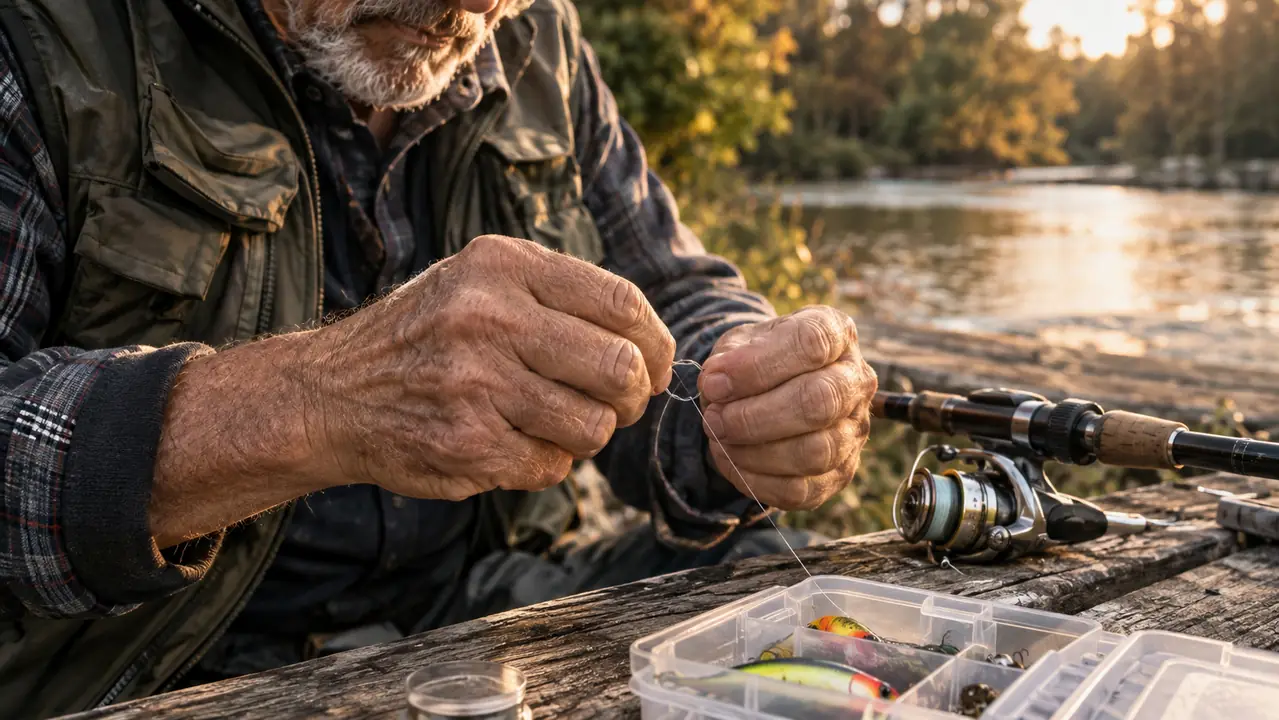
Six-pound test is the size I hand Caleb first. It is light enough that a bluegill fight feels like a fight, and strong enough that he can land a keeper bass without help. There is a reason this size stays on the most reels in my boat. It is the size that does the most jobs well.
On the river, I use the same 6-pound spool for channel catfish. That sounds light, and it is. I set the drag light and let the fish run. The stretch in the monofilament is part of the plan, not a flaw in it. I have landed catfish that outweighed the line rating by a good margin because the line gave and the rod did the work.
For the farm ponds, 6-pound test is almost always enough. The biggest bass in those ponds might go four pounds, and a four-pound bass on 6-pound line is a fair fight. You win it with a loose drag, a bent rod, and patience. You lose it by horsing the fish and expecting the line to save you.
The 6-pound test also handles wind better than you would expect. A light line cuts through a breeze that would push a heavier line around, and that matters on a wide reservoir like Caesar Creek. I have fished days when the boat was turning in the wind and still made the casts I needed because the line was thin enough to ignore the air.
Alternatives and the Bottom Line
I have spooled braid on a baitcaster for catfish, and it is a fine tool for that job, but it is a poor choice for a light spinning reel throwing small jigs. I have tried fluorocarbon for the river, and it is stiff and hard to manage on a small reel. I have also tried the cheapest house-brand monofilament, and it casts poorly, knots poorly, and breaks where you least expect it.
Trilene XL sits in the middle. It is not the strongest, not the thinnest, not the cheapest, and not the most specialized. What it is, is the most dependable. For an angler who fishes a little of everything and wants to stop thinking about line, that dependability is worth more than any single performance number.
The comparison that matters most is Trilene XL against the same brand's other lines. The XL is the all-rounder. It is not the specialized choice for any one job, and Berkley makes lines that are. What the XL has going for it is that you can buy one spool and fish it everywhere. For my kind of fishing, that is worth more than a specialty line's best feature.
Here is the bottom line. Berkley Trilene XL is not the line that will make you a better angler. No line will. It is the line that will stay out of the way while you fish, cast after cast, trip after trip, as long as you replace it on schedule. For the money and the peace of mind, that is a fair trade, and it is the reason I keep buying it.
What I Liked
- Casts well on spinning reels, especially in 6-pound test
- Holds knots better than any line I have tried at this price
- Wet strength is real; it does not soften after a day in the water
- Inexpensive enough to replace twice a season without thinking about it
- A dependable all-rounder for panfish, bass, and light catfish work
Where It Falls Short
- Has memory; coils if left spooled in a hot tackle box
- Stretch requires a reel-down hookset, not a hard swing
- A blend, so it is not the best at any one job
- Old line degrades faster than I would like in summer heat
The line is not the problem. Old line is the problem. Replace it twice a season and Trilene XL will surprise you.
Who This Is For
Buy Berkley Trilene XL if you are a bank angler or a small-boat angler who wants one dependable line for bluegill, crappie, bass, and the occasional catfish. Buy it if you tie your own knots and want a line that does not fight you at the knot. Buy it if you are teaching a 13-year-old to fish and you want a line that forgives a rough hookset. That is the crowd this line was built for, and it is the crowd I fish with.
If you are the kind of angler who owns one rod and fishes it for whatever bites, this is your line. If you are the kind who owns a dozen rods, each rigged for one job, you will still want a spool of Trilene XL for the rod that does everything. Either way, the 6-pound test is the place to start.
Who Should Skip It
Skip it if you fish heavy cover and need 20-pound braid to drag bass out of thick weeds. Skip it if you are a tournament angler who wants the lowest-stretch line money can buy. Skip it if you leave line on a reel for a whole season and expect it to fish like new. Trilene XL is honest, dependable, and inexpensive. It is not magic, and pretending otherwise would be the one dishonest thing I could put in this review.
I will also say this plainly: if you want to spool a reel once and fish it for three years, do not buy Trilene XL. Buy the most expensive line you can afford and still replace it on schedule. No line lasts forever, and pretending otherwise is how you lose the fish that would have made the trip.
Spool Up With the Line I Trust on the Water
For light freshwater fishing, 6-pound Trilene XL is the spool I keep on my reels and the first one I hand to Caleb. If that sounds like your kind of fishing, it is worth a try.
Amazon Check Today's Price on Amazon →