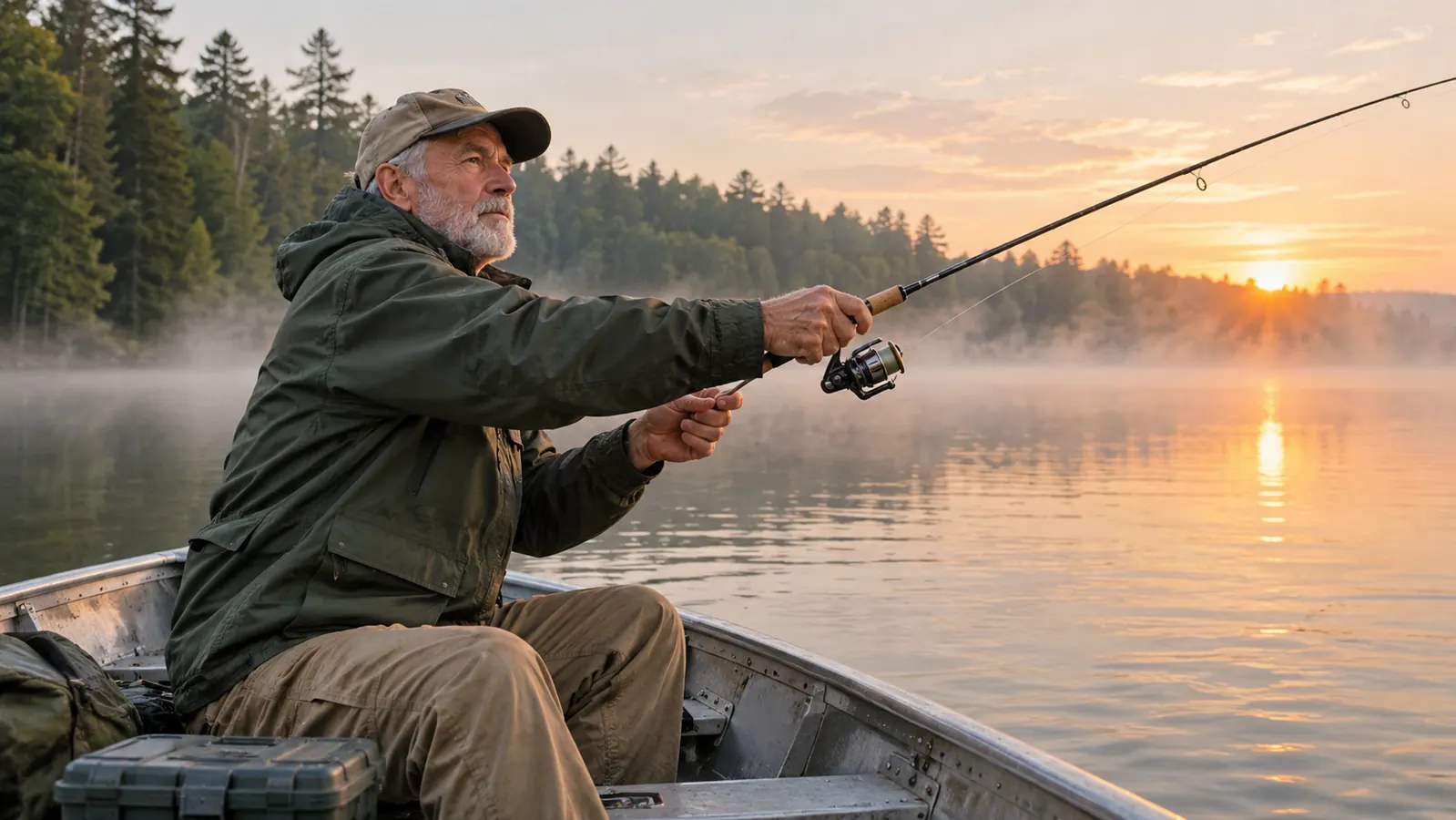
I have been fishing Ohio water for 45 years, and I have spooled enough line to fill a dumpster. Most of it was fine. None of it was worth writing home about. Then last spring I put Berkley Trilene XL on every spinning reel I own, mostly because it was on the shelf at the farm store and I needed line that day. A year later, I am still buying it, and that is about the highest praise I can give any fishing line. I did not expect to be writing that sentence.
This is the 6-pound test spool, 330 yards of single-strand monofilament. I run it on a light spinning outfit for crappie and bluegill, and I have used it for bass too when the cover is open. It casts easy, it holds up when it is wet, and it has not cost me a single fish that I can blame on the line. That is more than I can say for some lines with fancier names and louder advertising.
The Quick Verdict
A plain, dependable mono that casts easy and holds up wet. It will not win arguments at the tackle shop, but it will put fish in the boat. I have used it for a year, and I will keep using it.
Amazon Check Today's Price →The 330-Yard Spool That Has Stayed on My Reels All Year
If you fish light spinning gear for panfish, bass or catfish and you want a line that casts easy and holds up when wet, this is the one I have on my reels right now. Same 6-pound test, same 330-yard spool.
Amazon Check Today's Price on Amazon →How I've Used It
I spooled this line on two reels last spring. One is my main crappie rod, a 6-foot light action spinning rod I use from the jon boat on Caesar Creek Lake. The other is a spare reel I hand to Caleb when we fish the Great Miami River from the bank. Both got the same fill: Berkley Trilene XL in 6-pound test, straight off the 330-yard spool.
The 0.22 millimeter diameter is thin enough for light lures and small floats, and the 6-pound breaking strength is enough for the bass and channel cats we catch in open water. I have landed bass pushing four pounds on it. I have also watched Caleb horse in a mess of bluegill without a single break-off.
I fish from a 14-foot aluminum jon boat with a small trolling motor, and I also fish from the bank when I am by myself. The line has to work in both places. On the boat it gets cast a hundred times a day. From the bank it sits in the rod holder between casts, in the sun, while I drink coffee and watch a bobber. It handles both without complaint.
Over the year I have replaced the line once on the crappie reel, mostly because I wanted a fresh fill before fall fishing. The spool on the bank rod is still the original fill from last spring. That tells you something about how it wears.
The Numbers on the Box
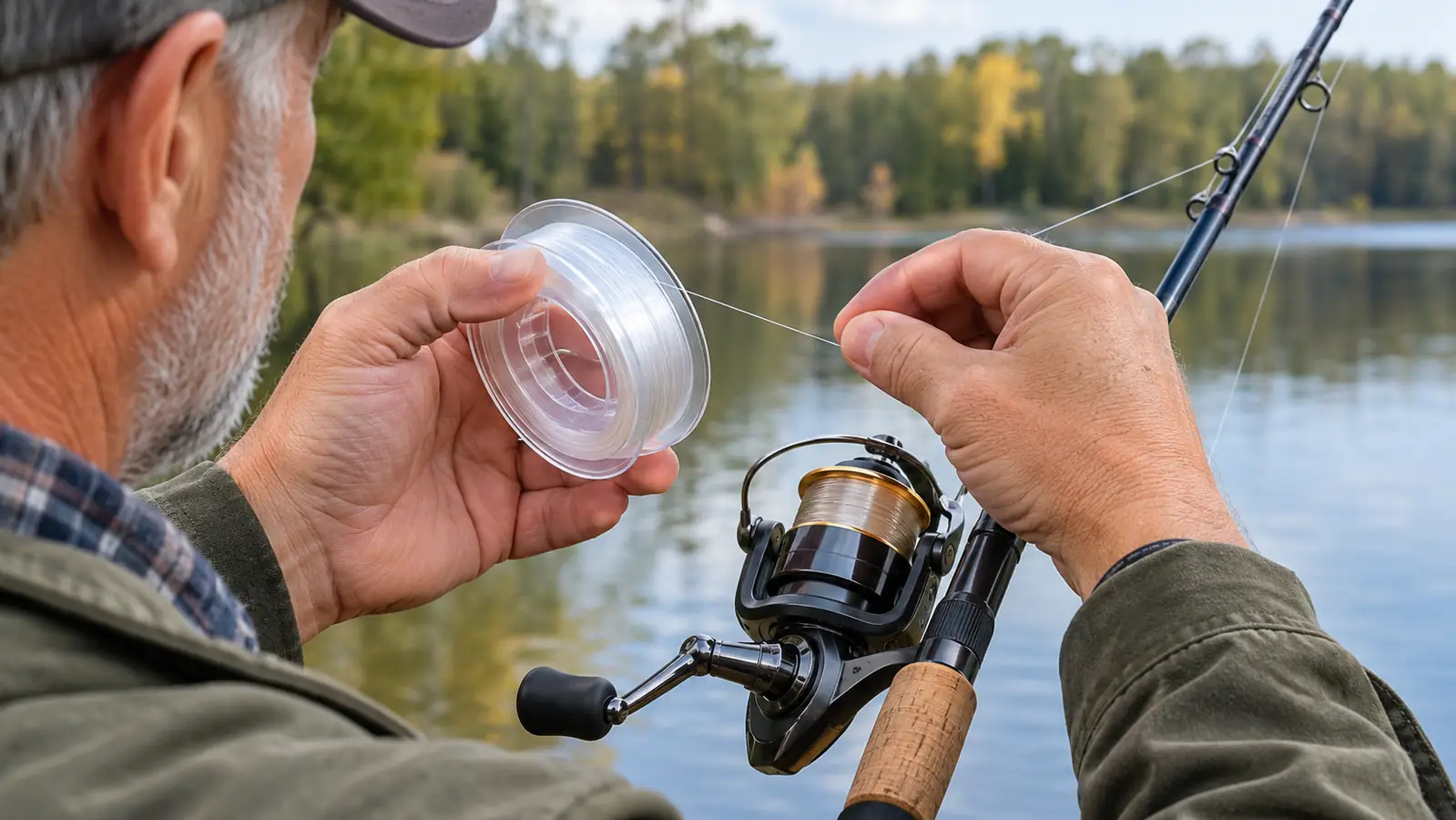
The box says 6-pound test, and the line breaks at 6 pounds, or 2.7 kilograms if you think in metric. The spool holds 330 yards, which is 301 meters. The diameter is 0.22 millimeters, which is 0.009 inches. I mention the numbers because line is the one piece of gear where the numbers actually matter, and Berkley prints them plain on the box.
The line is a single-strand blend. It is not braided, not fluorocarbon, just honest monofilament. The listing says it has optimal wet strength, and in my experience that is not just marketing talk. A line that has been soaking all afternoon still has its backbone when you set the hook. I have had lines go limp and rubbery after a few hours in the water. This one does not.
Berkley also makes this line in a wide range of break strengths, from 2 pounds up to 30. I fish the 6 because most of my spinning gear is light, but it is nice to know the same line I trust on the crappie rod is available in heavier tests for catfish on the Great Miami.
The box also carries the line's old promise: 'Don't let fish off the hook.' It sounds like a slogan, and it is. But after a year I have come to read it as a description. I have had fish run, jump and wrap the line around a stump, and the line held. That is what the slogan means in practice.
How It Casts
The thing I notice first with any new line is how it comes off the spool. Trilene XL comes off smooth. I do not get the constant wind knots that some mono gives me on spinning reels, and I do not have to baby the bail. It lays flat on the spool and stays there.
Caleb noticed it too. He is 13 and still learning to cast without thumbing the spool like a baitcaster. With this line on his spinning reel, his bird's nests went from every other cast to maybe once an outing. I will take that trade.
The wet strength matters here. A line that weakens when it is wet is a line that breaks on the hookset, and that is when you are most likely to lose the fish you actually wanted. I have set the hook on plenty of bass with this line and I cannot remember a single break-off that was the line's fault.
I will say one more thing about casting. This line works well on the small spinning reels I use for panfish, the kind that can be fussy about line. Some mono comes off those reels in coils and loops no matter what you do. Trilene XL behaves itself. I spool it tight and it stays tight.
A Year of Hard Use
I do not baby my gear. The jon boat sits outside under a tarp from April to November. Rods ride loose in the boat. Line gets dragged through weeds, over rocks, and into the jaws of fish that do not want to be caught. After a year, the Trilene XL on the bank rod still looks like the day I spooled it.
I check my line before every trip the way I check the trailer lights. I run it through my fingers looking for nicks and rough spots. On this line, I have found a few nicks near the lure after fishing rocky banks on the Great Miami. That is normal for any mono. The line did not break at the nick when I tested it, which is more than I can say for other spools I have used.
I replaced the crappie reel fill once, before fall fishing. That is about the same schedule I keep with any mono. It is not a line you set and forget for three seasons. But for the fishing I do, replacing it once a year is no burden.
Caleb has had this line on his reel for most of the year too. He fishes the way a 13-year-old fishes, which means he casts into trees, drags lures through brush, and sets the hook like he is trying to start a lawnmower. The line has taken all of it. I have retied his knots more times than I can count, but I have not had to respool his reel.
The Small Stuff That Adds Up
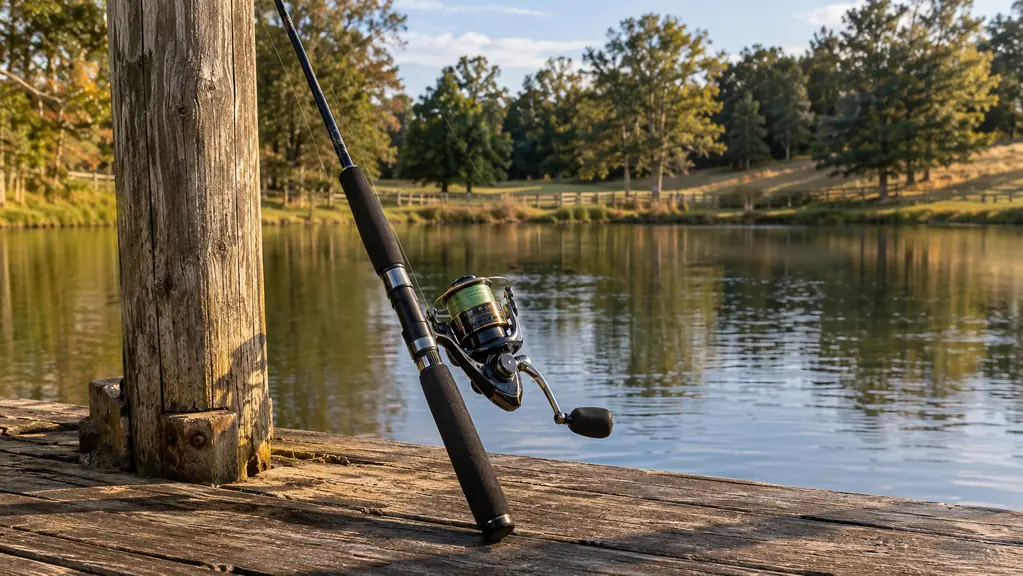
The things I like about this line are mostly small things. It ties a decent knot and holds it. I have never had a knot slip on a fish, which I cannot say for every line I have tried. The line also comes off the spool without twisting into loops around the tip guide, which is the kind of annoyance that makes me want to cut a line off and start over.
One thing I have learned in 45 years: the line is the only thing between you and the fish. Lures come and go, rods break, reels wear out. But the line is what you trust on the hookset. I trust this line enough that I do not think about it, and for me that is the whole point of buying it.
The 330-yard spool is a practical size. It fills a spinning reel with line to spare, and the leftover goes on a spare spool or a bank rod. I have bought smaller spools that left me a few yards short of a full fill, and I have bought bigger spools that sat in the tackle box for two years. This size is right.
Where Mono Still Makes Sense
I know the arguments for braid. I have a reel spooled with braid for fishing heavy weeds, and it has its place. But for open-water spinning, mono still makes sense. It casts lighter lures farther, it stretches a little so you do not pull small hooks out of crappie mouths, and it is easier for a 13-year-old to manage.
The stretch is the tradeoff. You feel less of the bite with mono than you do with braid, and you have to set the hook a little harder to take up the stretch. I have adjusted. For the bluegill and crappie I mostly chase, the stretch is a feature, not a bug.
The other tradeoff is lifespan. Mono wears out. Sun, water and time all work on it. I retie often and replace it once a year, and that keeps me out of trouble. If you want a line you can leave on the reel for three years, you want braid. If you want a line that casts easy and gives you fewer headaches, mono like this is hard to beat.
There is also the matter of keeping things simple. I am 61 years old and I have been fishing since I was a teenager. I do not want to think about my line any more than I have to. Mono like this lets me spend my time on the water, not on the tackle. That is worth something on its own.
What I Liked
- Casts smooth off a spinning reel, even for a 13-year-old still learning
- Keeps its strength when wet, all afternoon in the water
- 330-yard spool means fewer refills and less waste
- Available from 2 to 30 pound test, so the same line works for panfish or catfish
- Plain, honest mono that does what the box says
Where It Falls Short
- Stretch means you feel less of the bite and need a firmer hookset
- Holds a coil if it sits on the spool too long
- Needs replacing more often than braid, about once a year for me
- Not the line for heavy weeds or thick cover
I put this line on every spinning reel I own last spring. A year later, the bank rod is still on its original fill, and I have not lost a fish I can blame on the line.
Who This Is For
Buy Berkley Trilene XL if you fish light spinning gear for panfish, bass or catfish in lakes, rivers and farm ponds. If you are new to fishing, or you are setting up a kid, this is the line to learn on. It casts easy, it forgives mistakes, and it is the kind of line you do not have to think about.
It is also the right line if you fish a lot of open water and you want something dependable without thinking about it. That is the whole job of a fishing line. This one does the job and stays out of the way.
If you fish the same water I do, Caesar Creek Lake, the Great Miami River, or any of the farm ponds around Dayton, this line will do what you need. I have used it for bass, crappie, bluegill and channel cats, and it has not let me down in any of those jobs.
Who Should Skip It
Skip it if you fish heavy weeds, thick timber or pads. In that cover you want braid or a heavy fluorocarbon, not a 6-pound mono. The line will do its part, but the cover will win more fights than you do.
Skip it if you want a line that lasts three seasons without attention. Mono wears out, and this one is no exception. If you are the kind of angler who spools once and forgets, you will be happier with a braided line. And if you are fishing 20-pound test for trophy fish, buy the heavier Trilene XL spool, not this 6-pound one.
And skip it if you are the kind of angler who wants the latest thing on the shelf. This is not that. It is plain monofilament that has been around for a long time and will be around for a long time after. If you need the newest technology to enjoy fishing, this line will bore you. If you just want to catch fish, it will do.
Still the Line on My Reels After a Year
I have used this spool for a full season of Ohio fishing, and I am ordering another before spring. If that sounds like the kind of line you want, check today's price on Amazon and see if it fits your reels.
Amazon Check Today's Price on Amazon →