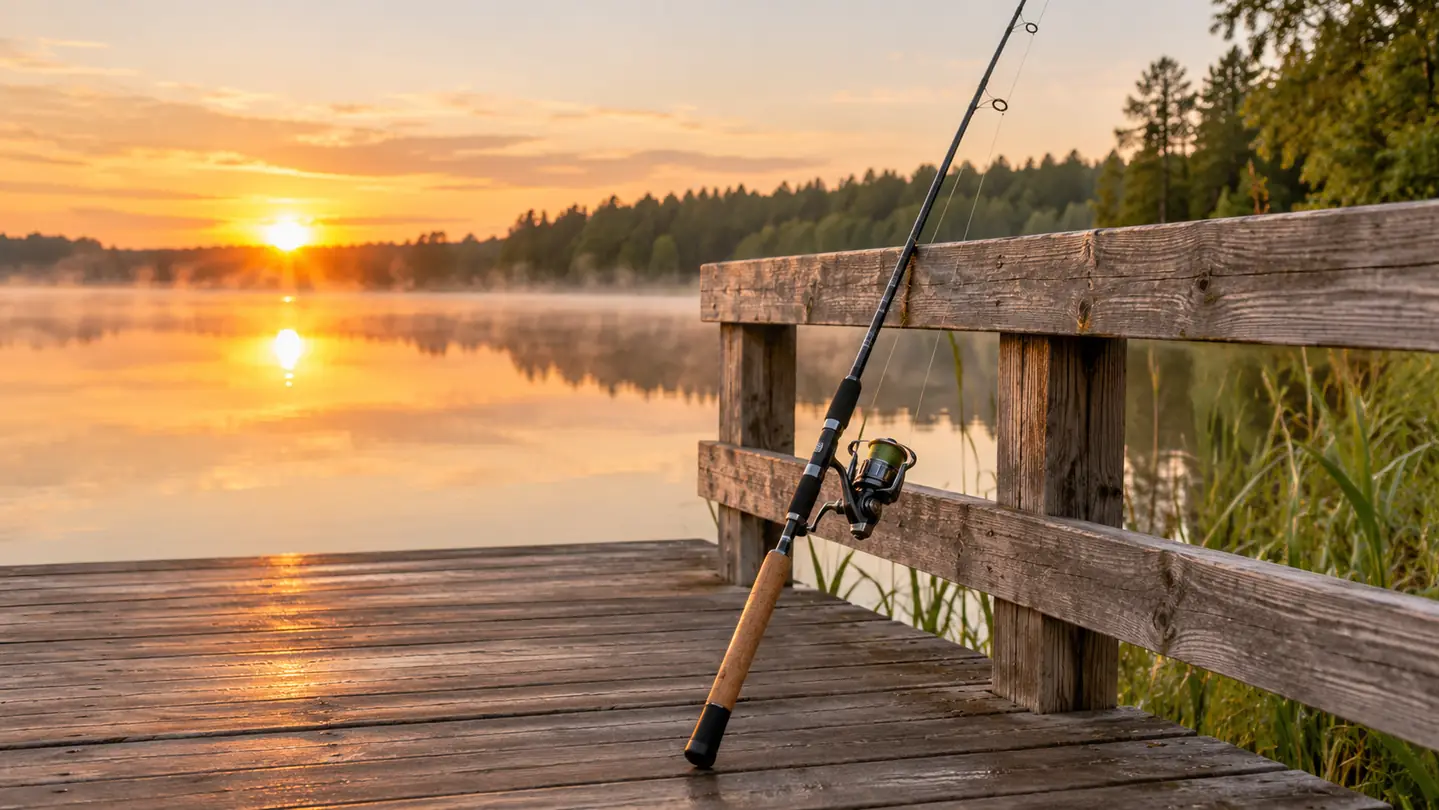
If you have shopped fishing gear online in the last couple of years, you have seen the KastKing Centron. It is the combo that shows up in every budget search, the one with thousands of ratings and a price that makes you wonder what the catch is. I wondered the same thing. So I bought one, fished it hard for a full season on Caesar Creek Lake, the Great Miami River and a couple of farm ponds, and I am going to tell you plainly what it does and what it does not do. KastKing sells this as a 7 foot, medium heavy spinning combo with a 3000 size reel, and that is exactly what showed up in the box.
The short version is this: the KastKing Centron is a genuinely good budget spinning combo that will serve a beginner or a casual angler well for years, and it is not the rod I reach for when I am serious about a tournament or a long day of casting for bass. Both of those things are true at the same time. What matters is which one you are.
The Quick Verdict
A dependable, comfortable spinning combo that casts well and holds up to real use, as long as you know it is a budget tool, not a high end one.
Amazon Check Today's Price →The KastKing Centron is the combo I hand to a first-time angler without worry
It casts smoothly, it is comfortable to hold all day, and it has taken a full season of hard use without breaking. If you want one rod that does most jobs well without emptying your wallet, this is it.
Amazon Check Today's Price on Amazon →How I've Used It
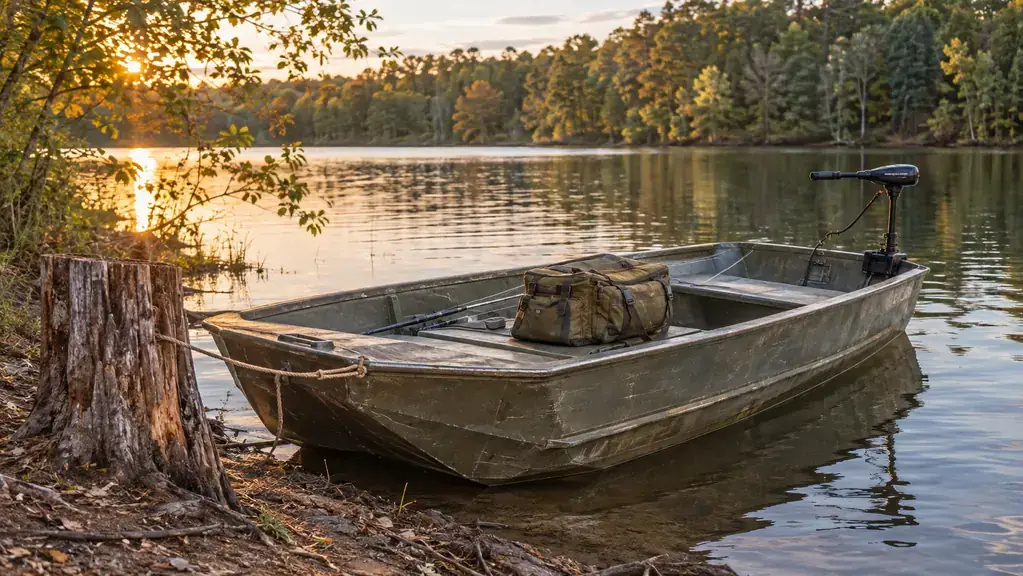
I am Lyle Satterwhite, 61 years old, retired machinist, and I live outside Dayton, Ohio. I have fished for about 45 years, mostly for largemouth bass, crappie, bluegill and channel catfish. I fish from the bank, from farm ponds, and from a 14 foot aluminum jon boat with a small trolling motor. My fishing partner is my grandson Caleb, who is 13 and has strong opinions about which rod is his.
I bought the KastKing Centron in the spring and used it as my main spinning outfit through the summer and into the fall. The first trip out was the second Saturday in May, on Caesar Creek Lake, and I will be honest: I did not trust it at first. I spent the first hour fishing it like it was going to fall apart, making short casts, checking the line roller, listening for anything that sounded like a bad gear. Then Caleb hooked a bass on a spinnerbait, handed me the rod to feel the fight, and I stopped worrying. That bass went maybe two and a half pounds, but the drag handled the runs without a stutter, and the rod had enough backbone to turn the fish before it reached a laydown. After that I fished it hard the rest of the season. It has caught bass on soft plastics and crankbaits, crappie on small jigs, bluegill on worms, and a few channel catfish that tested the drag. It has been knocked around in the jon boat, stood in the rod holder on the bank, been rained on, and been handed to a 13 year old who does not treat equipment the way I do. That is the kind of testing that tells you what a rod is actually made of.
The combo is a two piece rod, 84 inches long, with a medium heavy power rating and a 3000 size spinning reel. The reel holds 14 pound braided line at 100 yards per the specs, and the gear ratio is 5.2 to 1. The handle is EVA foam, which I will get to in a moment. The rod is built on graphite with aluminum and stainless steel components. That is the whole picture, and it is a good picture for the money.
One trip that stands out was a morning in early October on the Great Miami River. Caleb and I waded a gravel bar that we only reach when the water is low, and I used the Centron to work a jerkbait along the far bank. The water was clear and the bass were holding tight to a fallen tree. I made maybe forty casts that morning, and the rod cast every one of them the same way, smooth and accurate. I landed three bass, the biggest right at four pounds, and the reel never gave me a moment of trouble. That is the kind of morning that makes you trust a piece of gear. It is not the most expensive rod I own, but it is the one I grab when I want to stop thinking about the rod and just fish.
What It Does Well
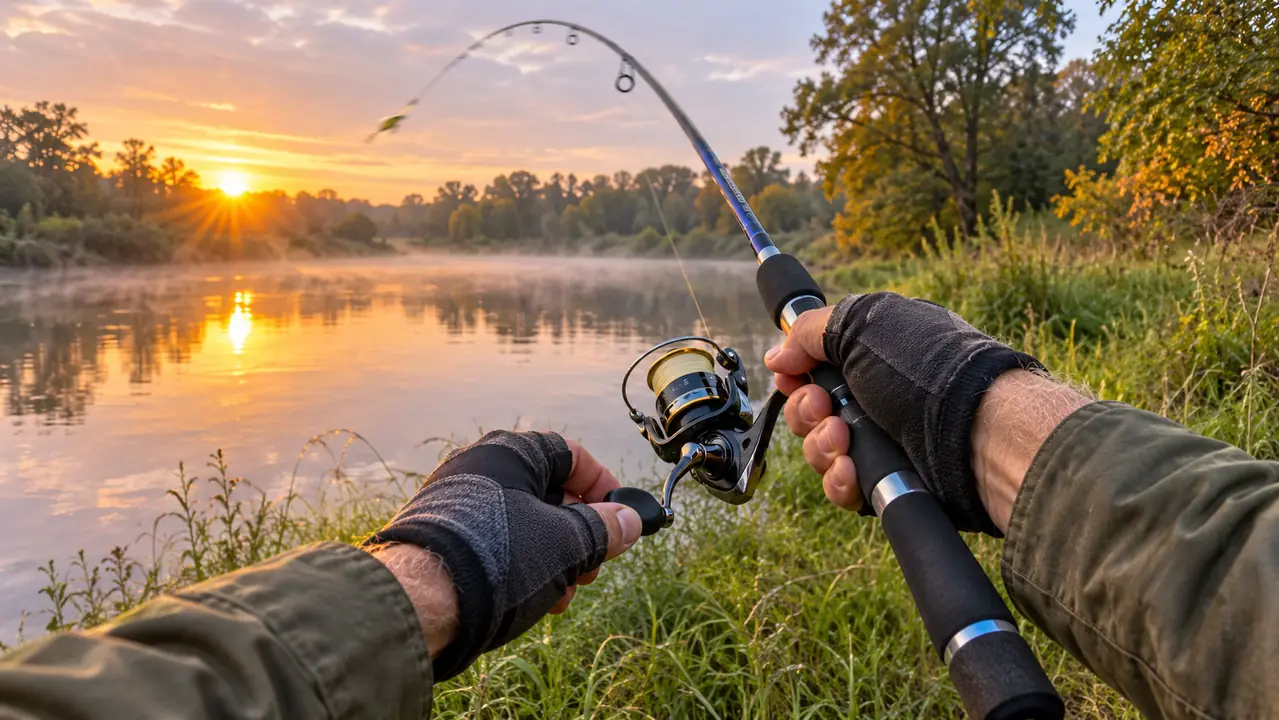
The first thing you notice is the casting. The KastKing Centron casts smoothly right out of the box, and that is not something I can say about every budget combo I have handled. I remember one evening in June on the Great Miami River, I was throwing a 3/8 ounce spinnerbait into a cut in the bank where the current had carved out a hole. The wind was coming across the water hard enough to push my hat brim up, the kind of wind that turns a cheap reel into a bird's nest factory. The Centron laid that spinnerbait out flat, forty feet of line, right where I wanted it, and the wind did not seem to bother it at all. The reel picks up line evenly, the drag is smooth enough for a fish that wants to run, and the rod loads well when you cast. For a beginner, that matters more than anything else. A rod that casts well makes you want to keep fishing. A rod that casts poorly makes you want to go home.
The second thing is comfort. The EVA foam handle is not fancy, but it is easy to grip when your hands are wet and it does not dig into your palm the way some cheap cork does. I have fished this combo for a full afternoon without my hand cramping, and at my age that is a real compliment. The reel is right hand retrieve, which suits me, and the 7 foot length is a good all around size for bank fishing and boat fishing alike. The specs list the whole combo at 1.2 kilograms, which is about two and a half pounds, and it balances well enough that I do not notice the weight at the end of a long day. I have owned rods that cost more that left a red line across my palm by noon. The Centron does not do that. It sits in my hand the way a rod should, and after a few hours I forget I am holding it.
The third thing is durability. I am not gentle with my gear, and neither is Caleb. This combo has been stepped on, dropped, rained on, and left in the sun. In July, Caleb set it against the tailgate of the truck while we ate lunch, and the wind blew it over onto the gravel. I walked over expecting the worst, a broken tip or a bent reel foot. The rod had two small marks in the finish, the reel picked up a scuff on the rotor, and that was it. It still cast true ten minutes later. It has caught catfish that pulled hard enough to make the drag sing. After a full season, the reel still turns smoothly and the rod still has its backbone. That is the honest measure of a budget rod: not how it feels in the store, but how it feels in October after a summer of real use.
After a full season of hard use, the reel still turns smoothly and the rod still has its backbone. That is the honest measure of a budget rod.
What Nobody Tells You
Here is the part that does not make it into the marketing. The KastKing Centron is a medium heavy rod, and that means it is stiffer than a lot of beginners expect. I found that out for real one morning in late September on a farm pond outside Dayton. The crappie had moved in shallow and were hitting a 1/16 ounce jig, and I could feel the bite on the line before I felt it in the rod. Every fish I hooked that morning felt the same, a quick thump and then nothing, because the stiff blank was absorbing the fight before it reached my hand. I switched to a lighter rod I keep in the truck and suddenly I could feel every head shake and every turn. That morning taught me more about this rod than any spec sheet. If you are mostly fishing for bluegill and small crappie, this rod will feel like overkill. It is built for bass and bigger fish, and it fishes that way. You can catch small fish on it, and I have, but you will not feel the fight the way you would on a lighter rod.
The reel is also not a high end reel. The drag is smooth, but it is not tournament smooth. The gears are fine, but they are not silky. I noticed it most on a hot afternoon in August when a channel catfish picked up a nightcrawler and ran for the middle of the pond. The drag let out line, but it came in little pulses instead of one steady stream, and I could feel every gear tooth through the handle. On a nicer reel that run would have felt like butter. It did not cost me the fish, I landed that catfish, maybe six pounds, but it reminded me what I was holding. If you have only ever fished cheap gear, you will be impressed. If you have fished a reel that costs several times more, you will notice the difference. That is not a flaw. That is just what a budget price buys you, and it is honest to say it out loud.
The two piece design is a tradeoff too. It makes the rod easy to store and easy to transport, which is why I like it for the jon boat. Broken down, it is about 42 inches, which fits along the side of the boat and in the back of my truck without hanging out the window. But a two piece rod has a connection point, and that connection point is always a place where a rod can fail. I have not had a problem with mine, but I have seen it happen on other two piece rods. One morning on the Great Miami I watched a man's rod come apart on the cast, the tip section spinning end over end into the river. Treat the connection with respect, seat it fully, check it when you string line through the guides, and you will be fine.
The Tradeoffs You Should Know About
Let me be specific about the tradeoffs, because that is what an honest review is for. The line capacity is 14 pound braided line at 100 yards. That is plenty for bass and crappie in the waters I fish, but if you are chasing big catfish in a wide river, you might want more line. I spooled mine with 14 pound braid as the specs suggest, and I have not been spooled yet, but I have also never hooked anything over about eight pounds on it. The gear ratio of 5.2 to 1 means the reel retrieves fast, which is good for crankbaits and bad for slow presentations that need a slow, steady retrieve. I noticed it the first time I tried to slow roll a spinnerbait along the bottom in the fall. The reel wanted to bring it back faster than the fish wanted it. I had to learn to pump the rod and pause, which is not a bad skill to have, but it is worth knowing before you buy.
The hand orientation is right hand retrieve only. If you are a left hand retrieve angler, this reel will not feel right to you, and there is no way to switch it. That is a real limitation, and it is the kind of thing that gets buried in the fine print. My grandson Caleb reels left handed, and he spent the whole first month switching hands after every cast, which sounds like a small thing until you have done it a hundred times in an afternoon. He adapted, because he wanted to keep using the rod, but I would not buy this for a left handed kid without letting them try it first. Check that before you buy, not after.
The grip type is EVA foam, and while I said it is comfortable, I will also say it is not for everyone. Some anglers prefer cork because it gets more grippy when wet, and some prefer the feel of a full handle. The KastKing Centron uses a split rear handle on the shorter combos and a full length EVA handle on the longer ones, per the specs. Mine is the 7 foot version, and the handle works fine for me. But if you know you hate EVA, this is not the rod that will change your mind. The one thing I will note is that the foam holds heat. On a hundred degree afternoon in July, the handle was warm to the touch, not enough to be a problem, but enough to notice. Cork stays cooler. It is a small thing, but it is the kind of small thing that adds up on a long day.
What I Liked
- Casts smoothly right out of the box, even in wind
- Comfortable EVA foam handle that does not cramp the hand on long days
- Took a full season of hard use, drops and rain without failing
- Good all around length and power for bass, crappie and catfish in Ohio waters
- Two piece design stores easily in a jon boat or truck cab
Where It Falls Short
- Medium heavy blank is too stiff to feel light bites from panfish
- Right hand retrieve only, no way to switch for left handed anglers
- Drag and gears are serviceable but not smooth like a higher end reel
- Fast 5.2 to 1 retrieve makes slow presentations harder to work
- EVA foam handle holds heat on hot summer afternoons
Who This Is For
The KastKing Centron is for the angler who wants one dependable combo that does most jobs well without a lot of fuss. It is for the beginner who needs a rod that casts smoothly and will not fall apart. It is for the casual angler who fishes a few weekends a month and wants to spend money on lures instead of rods. It is for the parent buying a first real rod for a kid who is going to learn on it. It is for my grandson Caleb, who has decided this is his favorite rod and who has caught more fish on it this year than I have on any of mine.
Who Should Skip It
If you are a serious bass angler who fishes tournaments, you will want something with a lighter, more sensitive blank and a higher end reel. This is not that rod. If you fish mostly for panfish and want to feel every nibble, a lighter power rod will serve you better. If you are a left hand retrieve angler, the right hand retrieve reel will annoy you every single time you use it. And if you expect a high end rod when you bought a budget combo, you will be disappointed. The KastKing Centron is honest about what it is. It is a good, dependable, budget friendly spinning combo. It does not pretend to be anything it is not.
The KastKing Centron is the combo I keep recommending to people who ask
It casts well, it holds up, and it does not cost a fortune. If you want a dependable spinning combo for Ohio waters, this is the one I would buy again.
Amazon Check Today's Price on Amazon →